
When Does Healthy Eating Become Harmful?
Most of us want to eat in a way that supports our health. Choosing a varied diet, including plenty of plants and considering how food makes us feel can all be positive forms of self-care.
However, there can be a fine line between being health-conscious and becoming preoccupied with eating “correctly”. A pattern that begins with good intentions can gradually become governed by increasingly rigid rules, anxiety and self-judgement.
The clearest distinction is not necessarily what someone eats. It is the amount of distress, rigidity and disruption surrounding their choices.
Healthy eating is not a fixed set of rules
Nutrition matters, but healthy eating is about more than the nutritional composition of an individual meal. It also includes flexibility, pleasure, culture, convenience, connection and the freedom to respond to changing circumstances.
A supportive relationship with food allows you to make choices with your health in mind without requiring every choice to be nutritionally “perfect”. You might select a balanced lunch because it will help you feel energised, while also being able to enjoy a dessert, takeaway or meal prepared by somebody else without feeling that you have failed.
When eating becomes harmful, food choices can begin to feel less like choices and more like instructions that must be followed. The range of foods considered acceptable may narrow, while the emotional consequences of deviating from the rules become increasingly severe.
A useful question is:
Are my food choices supporting my life, or is my life becoming organised around my food choices?
It is the thinking around food that often matters most
Two people may eat very similar meals while having completely different relationships with them.
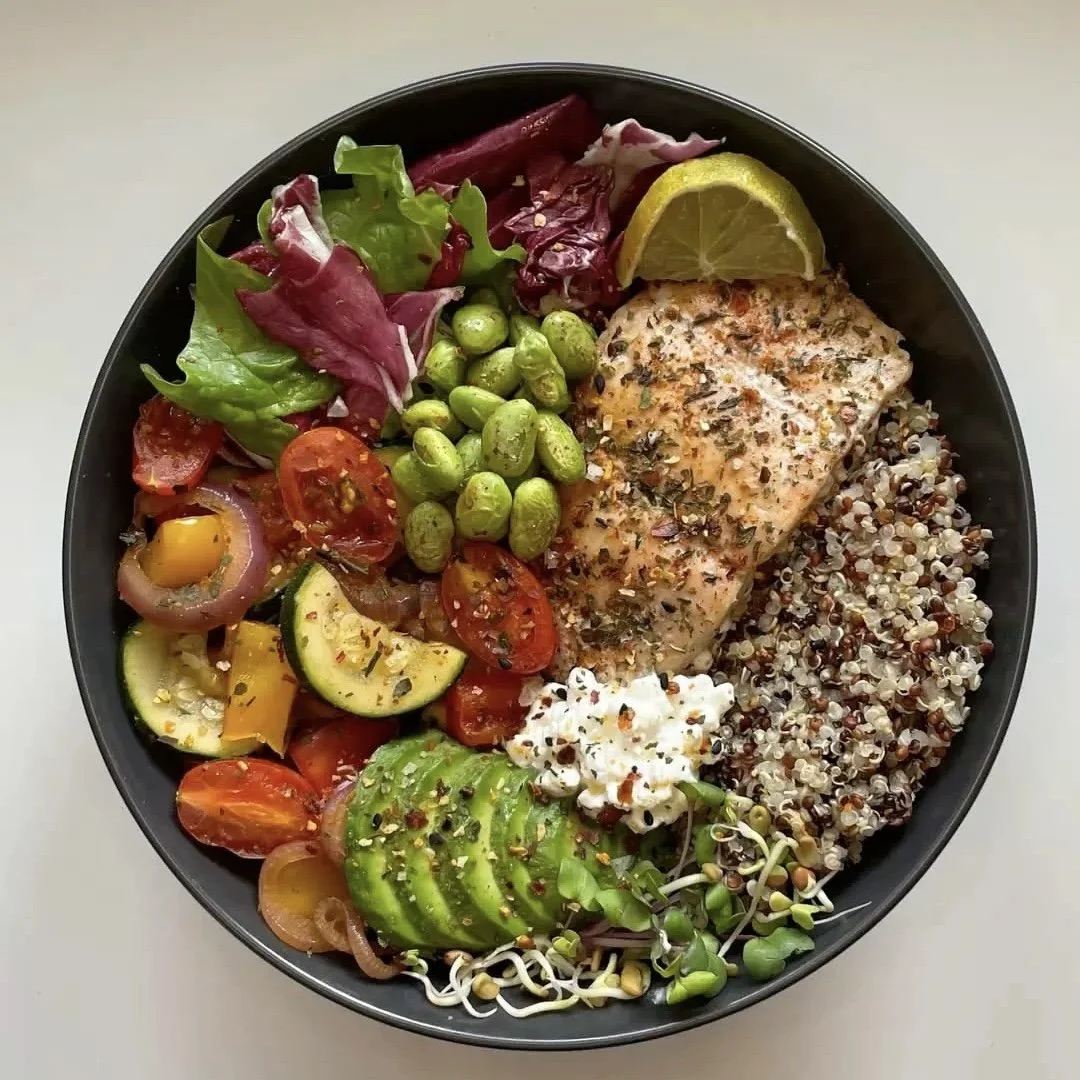
One person might choose porridge because they enjoy it and find it satisfying. Another might eat it because it is the only breakfast they consider sufficiently “clean”, becoming anxious or guilty if it is unavailable. The food is the same; the psychological experience is not.
This is why it can be difficult to judge someone’s relationship with food simply by looking at what they eat. A diet can appear balanced from the outside while being accompanied by considerable fear, preoccupation or distress.
Research also suggests that dietary restraint is not a single, straightforward behaviour. Calorie counting, preoccupation with dieting and weight-focused restriction may have different psychological implications, although each has been associated with greater eating-disorder risk. Research highlights the importance of looking beyond whether someone is “restrained” and considering the thoughts and motivations driving that restraint.
Flexible intentions versus rigid rules
A healthy intention leaves room for context:
“I try to include vegetables with many of my meals.”
“I usually choose a filling breakfast.”
“I would like to eat more fibre because it supports my health.”
A rigid rule creates a pass-or-fail test:
“Every meal must contain vegetables.”
“I am not allowed to eat after a certain time.”
“Carbohydrates are bad - I avoid them when someone cooks for me.”
“If I eat dessert, I need to compensate tomorrow.”
Flexible choices can adapt to appetite, availability, finances, social occasions and personal preference. Rigid rules tend to rely on all-or-nothing thinking: a day of eating is either “good” or “bad”, and breaking one rule can make the entire day feel ruined.
Studies examining different approaches to dietary control have found that rigid dieting is more strongly associated with eating-disorder symptoms, excessive concern with food and body weight, and poorer mood than a more flexible approach. Research on rigid and flexible dietary control supports the idea that how a person tries to manage their eating may be as important as the goal itself.
When emotion becomes attached to eating
Food naturally carries emotion. It can be comforting, celebratory, nostalgic and deeply social. Enjoying these aspects of food is not a problem.
The concern is when eating, or not eating, begins to determine your sense of worth.
You may notice:
guilt or shame after eating foods you consider less healthy
anxiety when you cannot check ingredients or nutritional information
pride or moral superiority when you follow your rules
feeling “good” or disciplined for eating less
feeling weak, greedy or out of control for eating something enjoyable
a need to compensate through restriction, fasting or exercise
distress that lasts long after the eating experience itself
An occasional thought such as “that meal was heavier than I expected” does not automatically indicate disordered eating. The more important questions are how intense the reaction is, how often it happens and what you feel compelled to do next.
If one meal leads to hours of rumination, a decision to skip the next meal or a need to “earn” food through exercise, the response deserves attention.
When nutrition becomes a way of managing anxiety
Food rules can create an appealing sense of certainty. When life feels unpredictable, controlling eating may temporarily feel calming or productive. Following a strict routine can also reduce the discomfort of making decisions.
However, this relief may be short-lived. The more rules a person creates, the more opportunities there are to break them. Food can then become another source of anxiety, with increasingly elaborate planning used to prevent anything from going “wrong”.
This can create a self-reinforcing cycle:
Anxiety creates a desire for greater control.
Food rules provide temporary reassurance.
The rules become harder to maintain.
Breaking them produces guilt or fear.
Even stricter rules are introduced to restore control.
The behaviour may look health-focused, but its function has shifted. It is no longer simply about nourishment; it has become a way of regulating difficult emotions.
The pursuit of dietary “purity”
The term orthorexia nervosa is sometimes used to describe an obsessive or pathological preoccupation with eating in a way perceived to be healthy, pure or correct. It is not currently a standardised, standalone diagnosis, and researchers continue to debate its precise definition.
Nevertheless, an international expert consensus identified several important features, including rigid dietary rules, excessive time spent planning or researching food, emotional distress when rules are broken, nutritional consequences and interference with social or everyday life. The 2022 orthorexia consensus paper also emphasises that an interest in healthy eating alone is not pathological. It becomes concerning when the preoccupation results in meaningful psychological, physical or social impairment.
Importantly, someone does not need to identify with this term—or meet the criteria for a particular eating disorder, to deserve help. Disordered eating exists on a spectrum, and early support can prevent patterns from becoming more entrenched.
Signs that healthy eating may be becoming harmful
It may be helpful to reflect on whether:
your list of acceptable foods is becoming progressively smaller
you spend a disproportionate amount of time researching, planning or thinking about food
you avoid meals out because you cannot control the ingredients or preparation
changes to your eating plans cause significant anxiety or irritability
you categorise foods, or yourself, as morally “good” or “bad”
you regularly ignore hunger because eating would break a rule
you struggle to recognise fullness because you are focused on finishing a prescribed amount
you compensate for eating through restriction or exercise
your relationships, work, studies or social life are being affected
following your routine matters more than enjoyment, connection or convenience
your self-esteem changes according to what you have eaten
the way you eat is causing fatigue, nutritional deficiencies, digestive difficulties or changes to your menstrual cycle
the thought of becoming more flexible feels frightening rather than simply unfamiliar
No single point proves that somebody has an eating disorder. Instead, consider the overall pattern: its frequency, intensity and effect on daily life.
A simple way to examine a food thought
When you are unsure whether a thought reflects self-care or disordered thinking, pause and ask:
Is it flexible?
Could I make a different choice without significant distress?
Is it compassionate?
Would I speak to somebody I care about in the same way?
Is it proportionate?
Am I treating one snack or meal as though it can determine my overall health?
Is it based on evidence or fear?
Is there a genuine medical reason for this choice, or am I trying to prevent a feared outcome?
Does it allow for enough food?
A pattern is not health-promoting if it repeatedly leaves you hungry, fatigued or preoccupied with eating.
Does it leave room for life?
Can I eat with other people, adapt when plans change and participate in occasions that matter to me?
A supportive nutrition choice should generally expand your capacity to live well. It should not continually make your world smaller.
Moving towards a healthier relationship with food
Building flexibility does not mean abandoning nutrition or becoming indifferent to your health. It means placing nutrition within a broader understanding of wellbeing.
You might begin by:
replacing absolute rules with gentler intentions
noticing moral language such as “clean”, “bad”, “guilty” or “cheating”
eating consistently rather than compensating for previous meals
curating social media accounts that increase food fear or body dissatisfaction
practising eating familiar “fear foods” in a safe, supported setting
reconnecting with hunger, fullness, satisfaction and enjoyment
remembering that individual meals do not need to be perfectly balanced
seeking professional support before the behaviour feels “serious enough”
The aim is not to stop caring about nutrition. It is to reach a place where nutritious choices can coexist with spontaneity, pleasure and peace of mind.
Ultimately, healthy eating should support both physical and psychological health. If the pursuit of wellness is creating fear, isolation or self-punishment, it is no longer serving its original purpose.
If thoughts about food are causing significant distress, prompting compensatory behaviours or interfering with daily life, speak to a GP or a registered healthcare professional with experience in eating disorders. You do not need to wait for your symptoms to become more severe before asking for support.